What each technology actually does
A compressor refrigerates the cabinet actively, holding its target temperature regardless of the surrounding room — at the cost of a low, constant hum and generally higher running cost. A thermoelectric module moves heat away passively, running silently and cheaply, but tracking ambient room temperature more closely.
Match the technology to the room
A warm kitchen, a garage, or anywhere with real seasonal temperature swings calls for compressor cooling to hold a genuinely stable range. A cool, climate-controlled room can run a thermoelectric cooler without the same trade-off.
Factor in running cost, not just purchase price
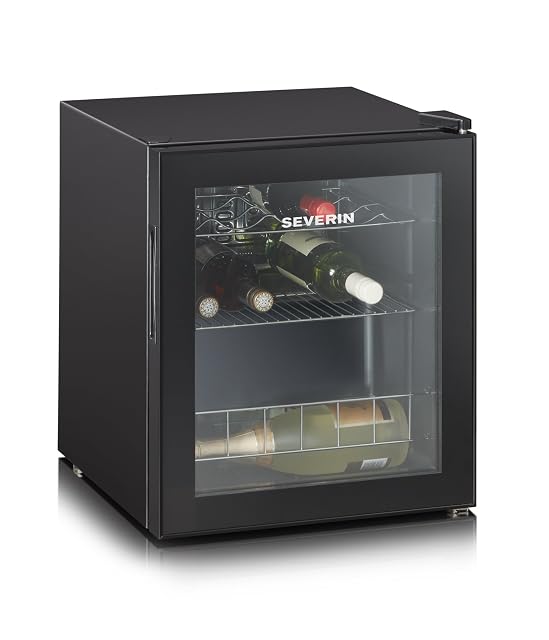
Compressor coolers, particularly those with a published energy class, carry a real ongoing electricity cost — the Severin KS 9889 states 147 kWh a year, for instance. Weigh this against the purchase-price saving of a thermoelectric alternative.
Ask directly if it isn’t published
Several coolers across this comparison, including some from established brands, don’t state their cooling technology at all. If it matters for your specific room, ask the seller before buying rather than assuming.
What we would not do
Treat one technology as universally “better.” Both are the right choice in the right room — the mistake is buying either one without checking where it’s actually going to sit.
What readers ask us
Is a compressor cooler always worth the extra cost?
Only if the room genuinely runs warm or has real seasonal swings. In a stable, cool room, the price and running-cost premium of a compressor may not buy anything a thermoelectric cooler couldn't already deliver.
Why do so many listings not state which technology a cooler uses?
There's no requirement to disclose it, and it isn't always a flattering detail to highlight — a missing spec is itself worth treating as information, and worth asking the seller directly before buying if it isn't stated.
Last reviewed 25 August 2026