Outdoor rating, only if it’s going outdoors
A cooler explicitly rated for outdoor installation costs more than an equivalent indoor-only model — money well spent for a garden bar, wasted for a cabinet that will never leave the kitchen.
Maximum capacity, only if the collection needs it
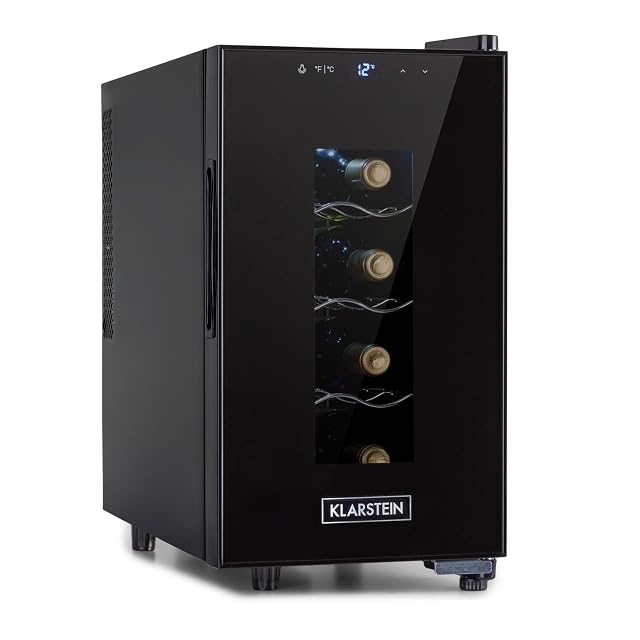
A 41- or 53-bottle cooler costs substantially more than an 8- or 15-bottle model. Buy for the collection you actually have plus realistic growth, not an aspirational ceiling.
Carbon filtration and anti-vibration build
These are real, stated features on some coolers, generally understood to help with long-term odor and sediment settling — genuinely useful for a serious, long-term collection, less critical for short-term storage before serving.
A documented per-zone split, if dual-zone storage genuinely matters
Some dual-zone coolers publish an exact temperature split per zone; others state only a combined range. Pay the premium for documented precision only if that level of control is actually something you’ll use.
What we would not do
Buy the most feature-complete cooler in a family by default. Match each premium feature to an actual, specific need — outdoor placement, a large and growing collection, long-term storage — rather than paying for headroom that won’t be used.
What readers ask us
Is outdoor-rated installation worth paying for?
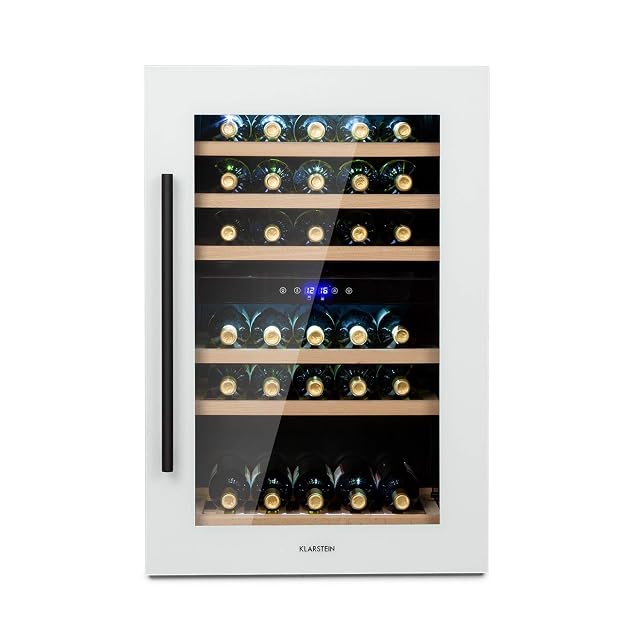
Only if the cooler is actually going outdoors. It's a real, checkable feature — Klarstein states it explicitly on the Vinsider Duo Quartz — but it adds cost that's wasted on an indoor installation.
Does a carbon filter meaningfully improve wine storage?
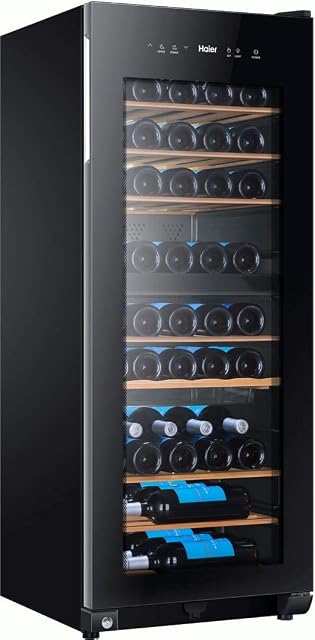
It's a real, stated feature on some coolers like the Haier WS53GDA, generally understood to help with odor circulating in the cabinet air, though the exact benefit isn't quantified on the listings we checked.
Last reviewed 25 August 2026