Closed systems guarantee the fit
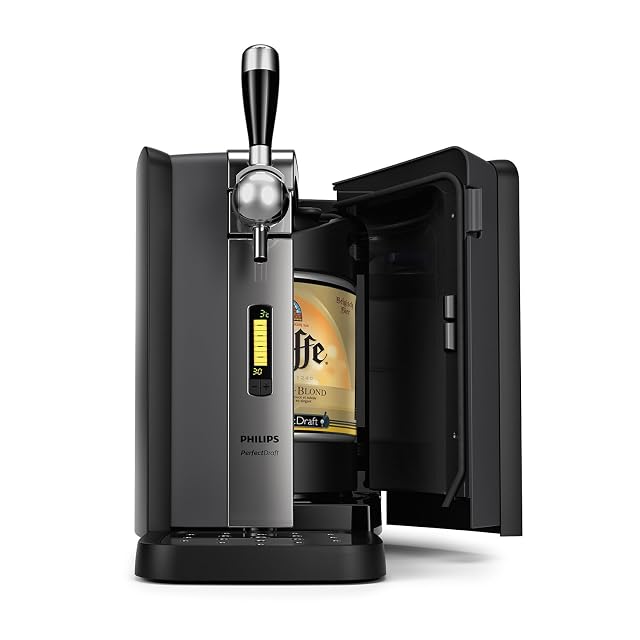
PerfectDraft, Heineken’s Beertender and Sub are all proprietary, sealed keg formats — every keg sold for that system is guaranteed to fit, at the cost of being limited to that brand’s own catalog.
Open systems trade guarantee for choice
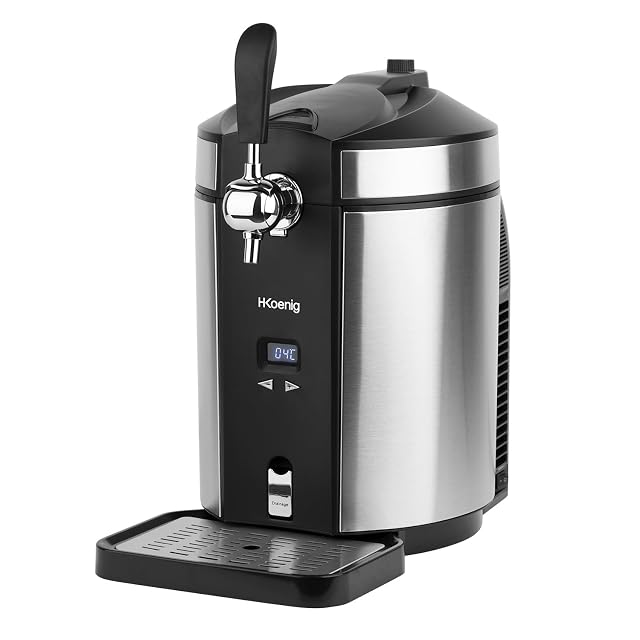
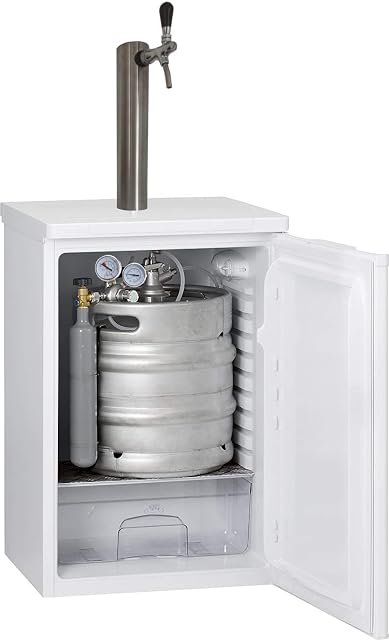
Universal keg dispensers, like H.Koenig’s BW1880, and full kegerator setups taking standard commercial kegs open up the beer selection considerably — but “universal” or “standard” still means checking a specific keg’s fitting convention before assuming compatibility.
Consider how often the beer selection actually changes
A household happy with one or two beer brands loses little from a closed system. One that wants to rotate through different breweries regularly gains more from an open system’s flexibility.
Weigh the setup effort honestly
Closed compact systems need almost no setup beyond inserting a keg. Open systems, especially full kegerators, need coupler matching, CO2 regulation and more genuine installation effort.
What we would not do
Assume “universal” or “standard” keg compatibility removes all need to check fit. It reduces the number of choices to verify, not the need to verify at all.
What readers ask us
Is a universal keg system actually universal?
Not in the strictest sense — it means compatible with a range of standard keg fitting conventions, not literally every keg made. Confirm a specific keg brand's fit before buying, especially across different coupler types.
Which system has the better long-term value?
That depends entirely on how much beer variety matters versus guaranteed simplicity. A closed capsule system costs more per liter over time but removes any compatibility question; an open system can cost less per liter but shifts the fit-checking burden to the buyer.
Last reviewed 25 August 2026