Spend on daily use, not occasional features
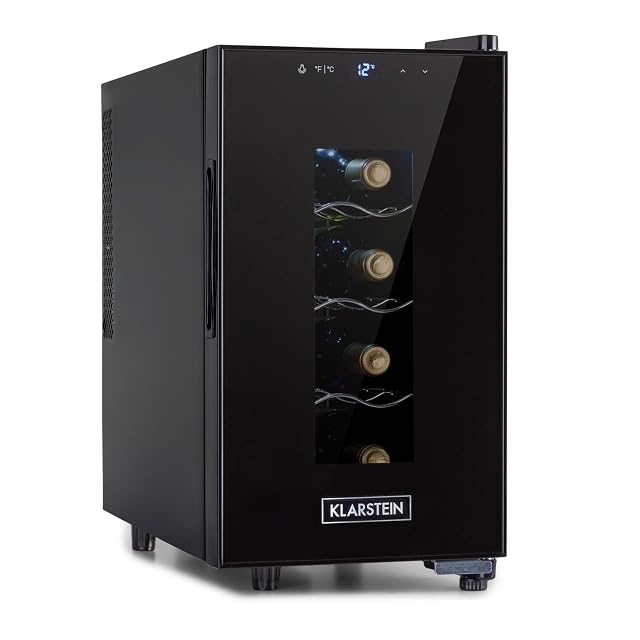
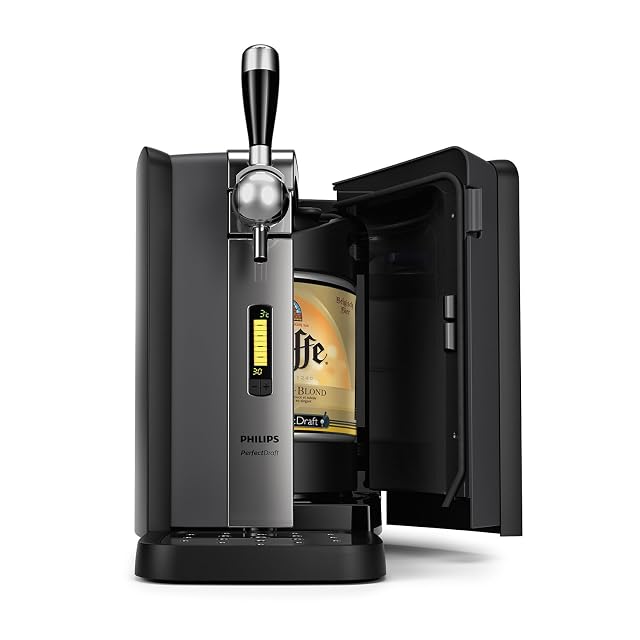
An appliance used every week deserves more budget than one used a few times a year. A reliable wine cooler or beer dispenser used constantly earns its price faster than a premium cocktail machine used occasionally.
Cheap isn’t automatically a compromise
The lowest-priced option in a family isn’t always a worse product — check its actual published specification against what’s needed before assuming a higher price buys something meaningfully better.
Delay the upgrades that depend on habits forming
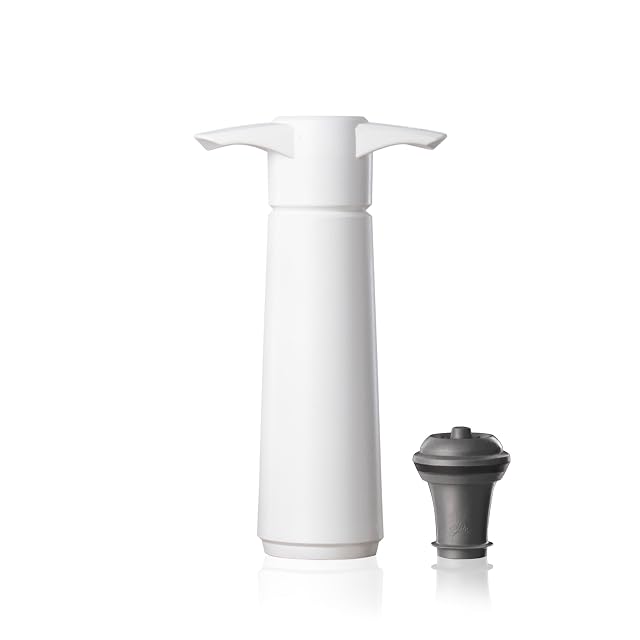
A built-in cooler, a full kegerator, or a long-preservation wine system are genuine upgrades once a pattern of real, regular use is established — buying them first, before that pattern exists, risks an expensive purchase that doesn’t get used as much as planned.
Factor in recurring costs from day one
Capsule-based cocktail machines, licensed keg systems and gas-injection preservation all carry ongoing costs beyond the purchase price — include a realistic estimate of those before comparing sticker prices.
What we would not do
Spread a fixed budget evenly across every category. Concentrate spending on what will actually be used most, and start cheap everywhere else.
What readers ask us
Where does it make sense to spend more on a first setup?
On whichever appliance will be used most often — for most households, that's wine or beer storage rather than a cocktail machine or a premium preservation system used occasionally.
Is it a mistake to buy the cheapest option in every category?
Not necessarily, provided the cheapest option's actual specification meets the need — the entry-level Bellevin cooler, for instance, is genuinely capable for a small collection, not just a compromise.
Last reviewed 25 August 2026