Decide the keg system before the machine
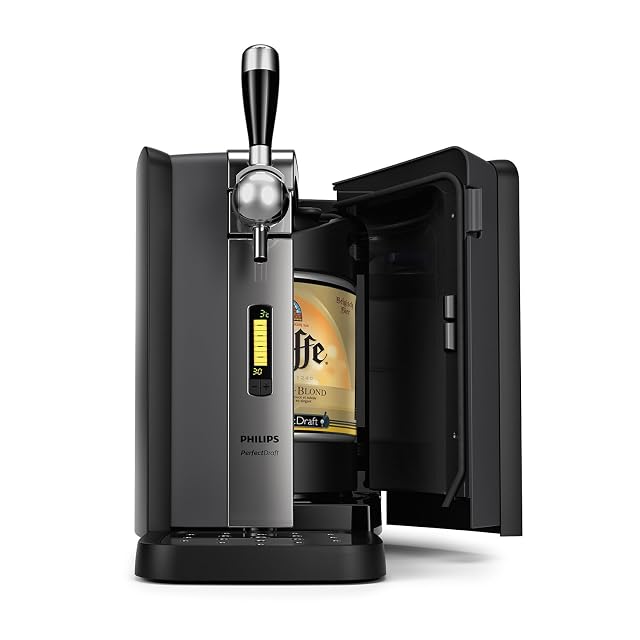
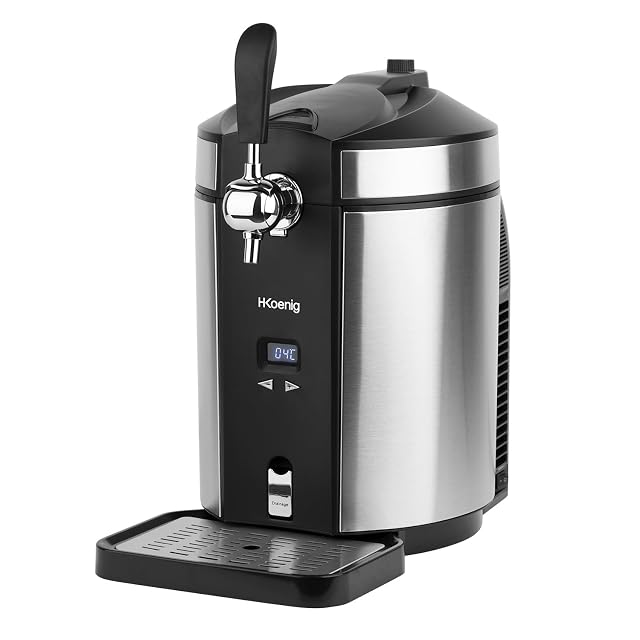
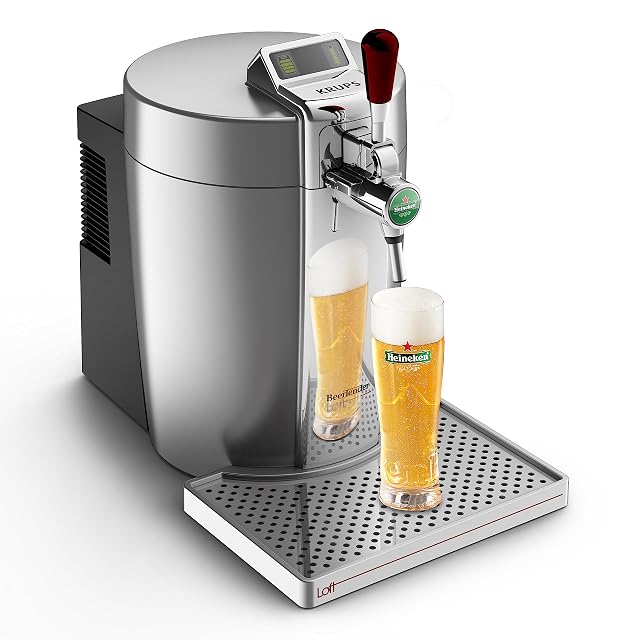
PerfectDraft, Heineken’s Beertender/Sub, and H.Koenig’s universal system are three separate, incompatible keg formats. Pick based on the beer selection each one actually offers, not the dispenser’s design or price alone.
First setup
Let the machine reach fridge or room temperature before inserting a keg if it’s been transported cold or warm — most manufacturers specify a settling period before first use, though the exact time varies by brand.
Check the temperature range
Fixed-temperature systems like PerfectDraft don’t publish an adjustable range; universal systems like the H.Koenig BW1880 let you set a specific target between roughly 2 and 12 °C (54 °F). Match the setting to the beer style being served.
Budget for keg refills as an ongoing cost
The dispenser’s purchase price is only the start — kegs are a recurring expense, and pricing varies by beer and by keg system. Factor a realistic refill frequency into the real cost before comparing dispensers on sticker price alone.
What we would not do
Buy based on the dispenser’s styling or footprint alone. The keg catalog behind it is what you’ll actually live with for years — check what beers are available in that system before anything else.
What readers ask us
Can I switch keg systems later without buying a new dispenser?
No — the dispenser and its keg format are locked together. Switching means buying a new machine, not just a different keg.
Do I need a separate CO2 supply for a compact dispenser?
No — compact dispensers like PerfectDraft, Krups Beertender and H.Koenig's BW1880 use pre-pressurized, sealed kegs. A separate CO2 cylinder is only needed for full kegerator systems taking standard commercial kegs.
Last reviewed 25 August 2026