Two different target temperatures
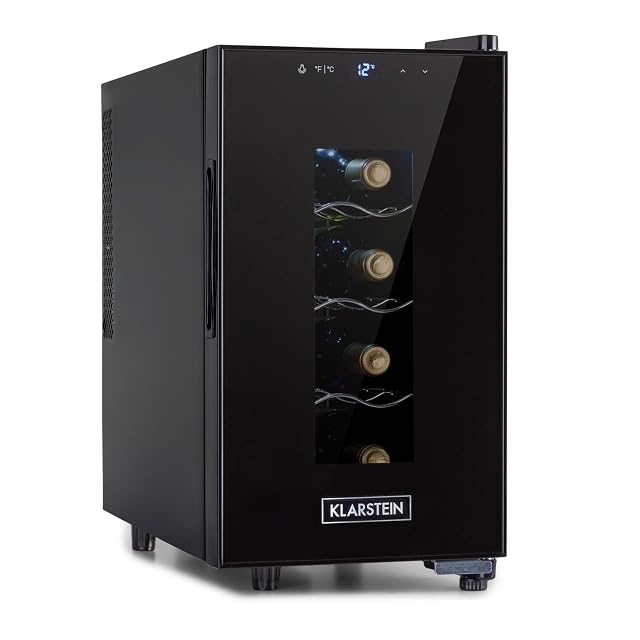
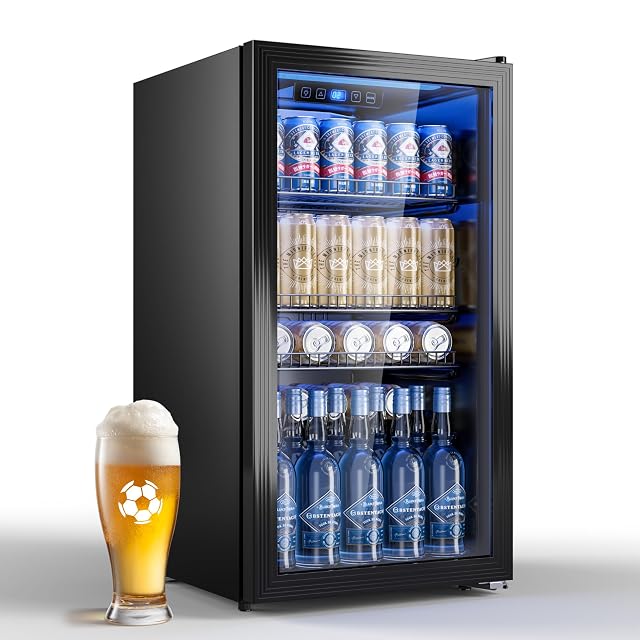
Wine coolers are set for an 11–18 °C (52 to 64 °F)-style range appropriate to serving wine. Beverage fridges run colder and wider, built for cans, beer and mixers rather than a single beverage type.
Capacity works differently too
Wine coolers count in bottles, typically 8 to 50-plus depending on the model. Beverage fridges count in cans, and a 90 L unit can hold well over 100 — a different kind of capacity planning.
The confusion that costs money
Buying a wine cooler for general beverage storage wastes its narrow, wine-appropriate range on drinks that don’t need it. Buying a beverage fridge for long-term wine storage risks a temperature colder or more variable than wine keeps well at.
What we would not do
Assume the cheaper of the two is the better “starter” appliance regardless of what’s actually being stored. Match the appliance to the drink, not to price alone.
What readers ask us
Can one appliance do both jobs well?
Not reliably. A wine cooler's range is set narrower and warmer than most people want for a cold beer; a beverage fridge runs colder and wider, which isn't ideal for wine held long-term. If both matter, two smaller appliances usually beat one compromise.
Which one should I buy first?
Whichever matches what's actually being stored most often. A household that drinks mostly wine should start with a wine cooler; one that stores mostly cans and mixers should start with a beverage fridge.
Last reviewed 25 August 2026