Confirm front-venting before anything else
Only a genuinely front-vented cooler can be boxed into cabinetry without rear clearance. Boxing in a freestanding cooler that vents from the back or top risks overheating and a shortened compressor life — check the listing explicitly rather than assuming.
Measure the exact cutout, not just the unit’s dimensions
A built-in cooler’s own outer dimensions and the cutout it needs can differ — check the manufacturer’s specific installation guidance for the actual opening required, including any air gap the front-venting design needs around the frame.
Account for door mechanism clearance
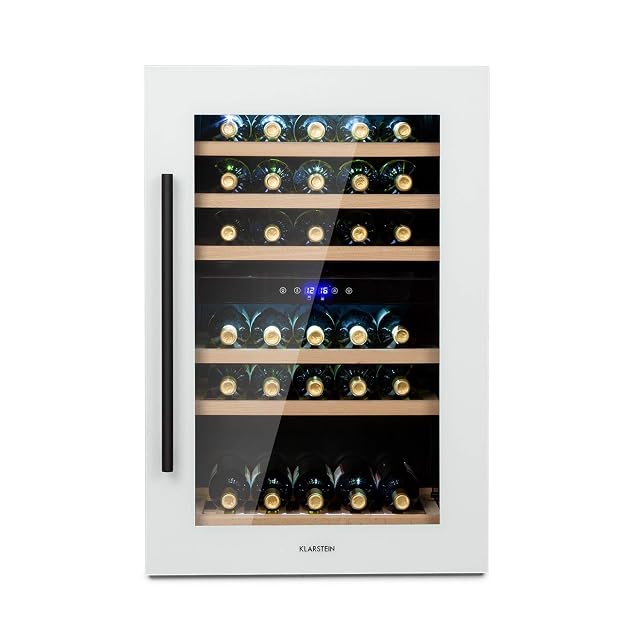
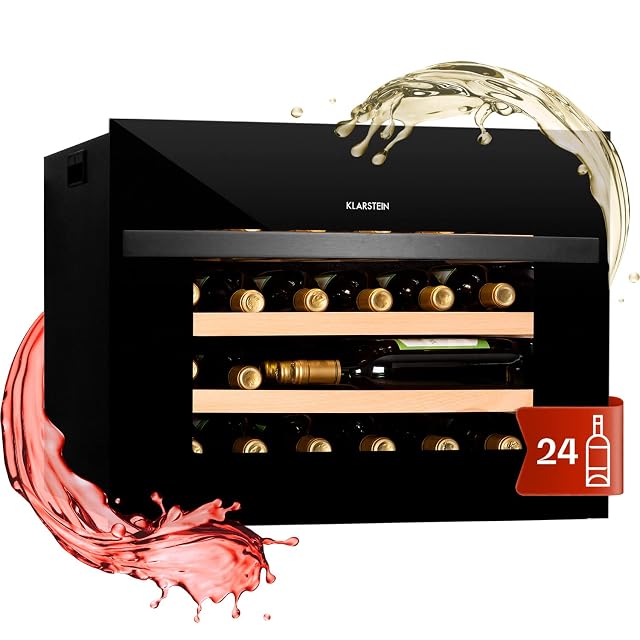
A standard side-hinged door needs lateral swing clearance; a tilting or pull-down door, like some smaller built-in cellars use, needs space in front of and below the unit instead — a genuinely different clearance profile.
Confirm outdoor rating separately from built-in rating
A cooler can be built-in without being outdoor-rated, or outdoor-rated without necessarily being flush-installable — these are two separate, specific claims to check individually against the intended installation.
What we would not do
Assume any cooler marketed with “built-in” styling can actually be boxed into cabinetry safely. Confirm front-venting and the specific cutout dimensions directly from the manufacturer before finalizing cabinetry plans.
What readers ask us
How do I confirm a cooler is genuinely front-vented before buying?
Check the listing explicitly for 'built-in' or 'under-counter' language and, ideally, a stated cutout dimension — a freestanding cooler's listing generally won't use this language, and assuming based on appearance alone is risky.
What clearance does a tilting-door cellar need that a standard hinge doesn't?
A tilting or pull-down door needs space in front of and below the unit to open fully, unlike a standard side-hinged door that only needs lateral clearance — check this against the specific cabinet run before ordering.
Last reviewed 25 August 2026