Skip to content

Severin KS 9889 vs Severin SEVINZO 28 Duo dual-zone wine cooler

Is one shared temperature enough, or does the collection need reds and whites held apart?

Both are compressor-cooled Severin coolers, but the SEVINZO's dual zones — with a specific, stated temperature split — are the main reason to pay roughly three times more.

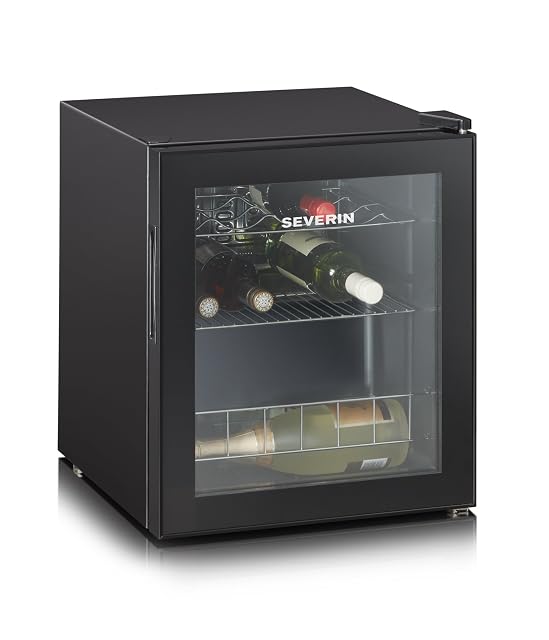
Severin KS 9889 15-bottle wine cooler, black

Severin KS 9889

7.8/10

Wins 1 of 7

Check price

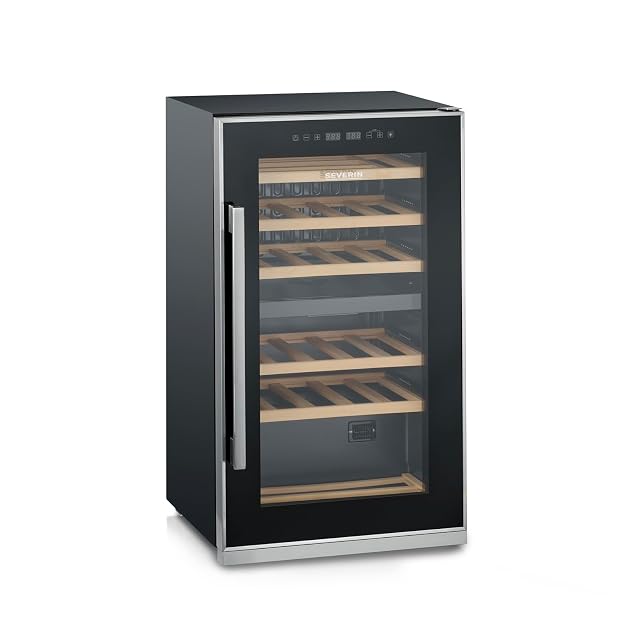
Severin SEVINZO 28 Duo dual-zone wine cooler, black and silver

Severin SEVINZO 28 Duo dual-zone wine cooler

7.8/10

Wins 4 of 7

Search Amazon

Point by point

Compared on KS 9889 SEVINZO 28 Duo dual-zone wine cooler
Capacity 15 bottles 28 bottles
Zones 1 2 — upper 5–12 °C (41 to 54 °F), lower 12–18 °C (54 to 64 °F)
Temperature range 4–18 °C (39 to 64 °F) 5–18 °C (41 to 64 °F) across two zones
Noise 43 dB 41 dB
Door Not specified as double-glazed Double glazing, tinted glass
Energy Energy class G, 147 kWh/year Not published
Price ≈ 190 € ≈ 649 €
Listed on amazon.com Yes No

A tick marks the better answer on that line only. Counting ticks does not decide the page — the two verdicts below do, because these products answer different questions.

The one for you, of the two

Buy the KS 9889

Take the KS 9889 for a smaller collection at one temperature and a lower price — it's a genuinely capable compressor cooler on its own.

SEVINZO 28 Duo dual-zone wine cooler

No amazon.com listing was found for this one. We hold references for other markets but none for the United States, so it may not be buyable here — which is the first thing to weigh against anything below.

Take the SEVINZO 28 Duo once the collection needs a documented split between two zones and roughly double the capacity — the price reflects both.

What readers ask us

Is the SEVINZO's double glazing a meaningful upgrade?

Yes, in principle — a single pane of glass is a weak point for heat transfer, and better door insulation reduces how hard the compressor has to work to hold each zone's setpoint. The KS 9889's listing doesn't specify its glazing, so a direct comparison isn't possible from the published information.

Why does the smaller cooler run louder than the larger one?

Both are close (43 dB against 41 dB) and the gap is small enough that it may not be noticeable in practice — neither listing details what accounts for the difference.

The detail on each

  • Severin KS 9889

    15 bottles · 1 zone · 4–18 °C (39 to 64 °F) · compressor, 43 dB

    A 15-bottle, 46-liter compressor cooler with automatic defrost and a stated 43 dB noise level. The same ASIN and EAN are confirmed live on Amazon.fr, .de, .it and .es, though energy class G and 147 kWh/year running cost are worth weighing against the price.

    Best for: Someone who wants a compressor cooler's temperature stability and a genuinely cold lower range, and is willing to pay more upfront and in running costs than a thermoelectric model.

    7.8/10

  • Severin SEVINZO 28 Duo dual-zone wine cooler

    28 bottles · 2 zones (5–12 °C (41 to 54 °F) / 12–18 °C (54 to 64 °F)) · 41 dB

    A 28-bottle, 80-liter dual-zone cooler with a stated upper zone of 5–12 °C (41 to 54 °F) and lower zone of 12–18 °C (54 to 64 °F), touch control, double glazing and wood shelving. Same ASIN and EAN confirmed live on Amazon.de, .fr, .it and .es.

    Best for: A household that wants a specific, confirmed temperature split between zones — not just 'dual zone' as a marketing line — and is prepared to pay a premium for it.

    7.8/10

Prices quoted in these summaries are dated readings. The live price is shown next to each product.