Start with the cheap, wearing parts
A worn coupler seal, a dirty line, or an incorrectly set CO2 regulator account for most of the problems that get blamed on the dispenser itself. Check these before assuming a costly repair or a full replacement is needed.
Compressor problems are often placement problems
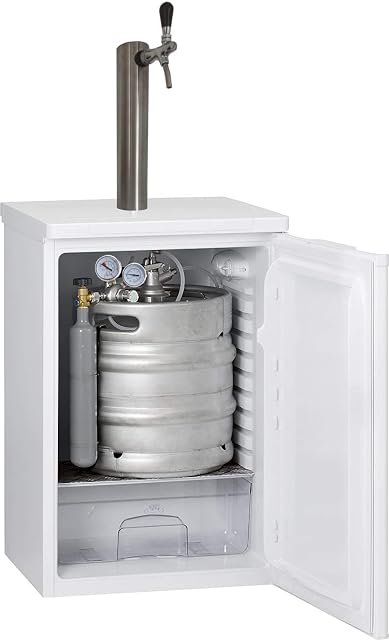
A compressor-based kegerator needs clearance for airflow around its vents — a unit boxed too tightly or placed against a wall can appear to have a failing compressor when the real issue is restricted airflow.
Persistent foam has a short list of causes
In order of likelihood: keg temperature not yet settled, a dirty line, incorrect CO2 pressure, or a coupler not sealing properly. Work through these before assuming a mechanical fault in the dispenser itself.
Compact sealed systems have fewer user-serviceable parts
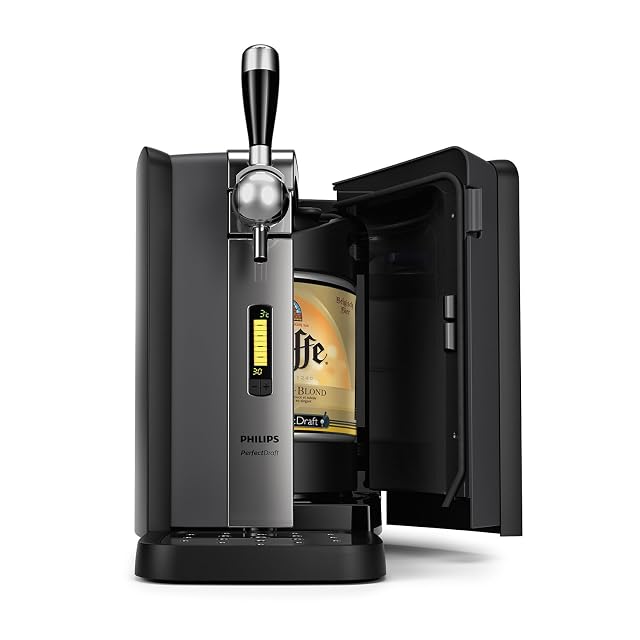
Systems like PerfectDraft have less to inspect or replace than a full kegerator — a persistent problem on a sealed system more often points to the keg itself than to the dispenser hardware.
What we would not do
Replace a dispenser at the first sign of a problem. The small parts and settings covered here resolve the large majority of issues in this family, at a fraction of the cost of a new unit.
What readers ask us
My dispenser has stopped cooling properly — is it broken?
Check placement and ventilation first, especially for compressor-based units, which need airflow around the back to work properly. A unit boxed too tightly into a cabinet can struggle to cool even when the compressor itself is fine.
Persistent foam despite a clean line and correct temperature — what next?
Check the CO2 regulator's pressure setting on kegerator-style systems, and the coupler's seal against the keg valve — a slow gas leak or an incorrect pressure setting produces symptoms that look identical to a dirty line.
Last reviewed 25 August 2026