Use the self-cleaning cycle regularly
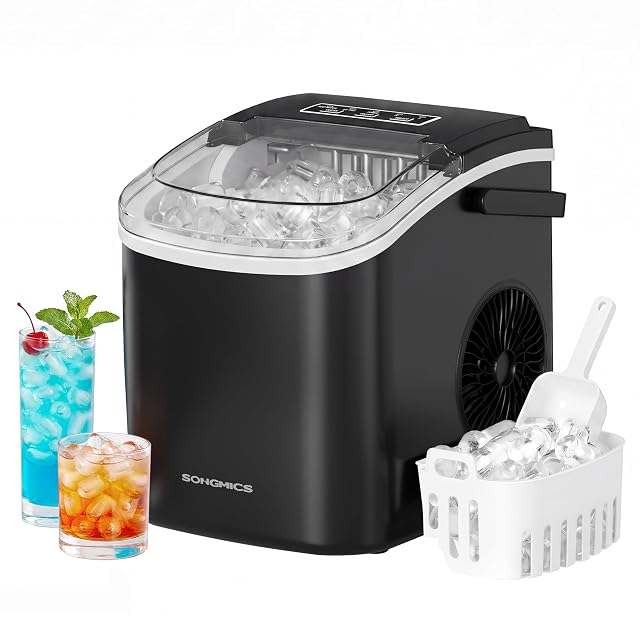
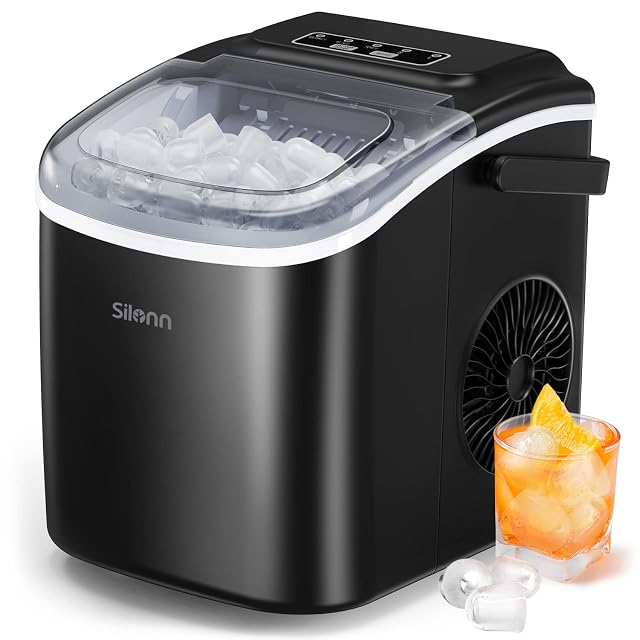
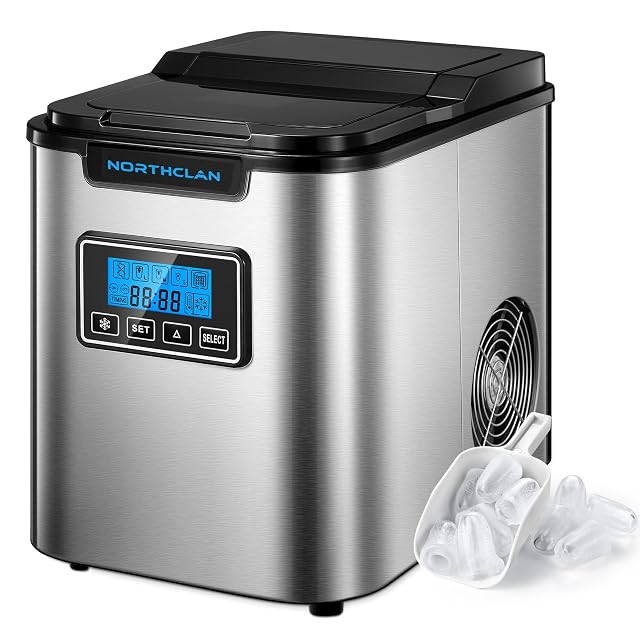
Most countertop ice makers, including the SONGMICS, Silonn and NORTHCLAN machines reviewed on this site, include a self-cleaning cycle — running it on a regular schedule, not just when output visibly drops, catches scale buildup earlier.
Empty and dry the reservoir between uses if storing the machine
Standing water left in the tank between uses of a machine that will sit unused for a while is a common source of both scale and odor building up faster than expected.
Watch for the real symptom: slower batches, not failure to run
A machine that still runs but takes longer per batch, or produces smaller cubes than before, is showing early scale symptoms — worth descaling before assuming a mechanical fault.
Check local water hardness
Areas with harder water need more frequent attention. If descaling seems to help only briefly before output drops again, this is the first thing to check.
What we would not do
Assume declining output means the machine needs replacing. In most cases across this family, scale buildup — not motor failure — is the actual cause, and it’s a five-minute fix rather than a new purchase.
What readers ask us
How often does an ice maker need descaling?
This depends heavily on local water hardness — harder water needs more frequent descaling. Running the machine's built-in self-cleaning cycle regularly, where available, is the first line of defense most listings recommend.
Can I use vinegar to descale an ice maker?
A diluted white vinegar solution is a common general approach for scale in small kitchen appliances, but always check the specific manufacturer's guidance first — some finishes or internal components may call for a different approach.
Last reviewed 25 August 2026